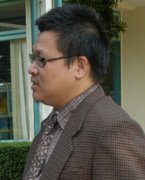
Oleh: Iyung Pahan
Industri CPO Indonesia sedang booming karena meningkatnya pendapatan yang dipicu oleh kenaikan harga CPO internasional. Harga CPO Februari 2008 telah menyentuh level psikologis USD 1,150/ton, yang membawa dampak pada semakin mahalnya harga produk turunan CPO seperti minyak goreng dan biodiesel.
Mahalnya Harga Minyak Goreng di Negara Produsen CPO
Sistem agribisnis CPO tersusun dari subsistem pemasok (agroindustri hulu), subsistem perkebunan (pertanian), subsistem pengolahan (agroindustri hilir), dan subsistem pemasaran. Kekuatan rantai industri CPO ditentukan oleh agregat kekuatan mata rantai penyusunnya. Rantai yang paling lemah dan mengkhawatirkan adalah mata rantai pada subsistem pemasaran.
Kenaikan harga minyak goreng telah menambah beban rakyat. Pemerintah telah melakukan serangkaian tindakan reaktif seperti “menghimbau” produsen menjual minyak goreng dengan harga murah sampai penerapan instrumen fiskal berupa kenaikan pungutan ekspor CPO secara progresif. Industri CPO adalah industri yang dipengaruhi mekanisme pasar bebas. Keseimbangan permintaan dan penawaran adalah dasar penciptaan harga. Permintaan yang meningkat dipicu oleh pertumbuhan penduduk dan peningkatan pendapatan domestik bruto, adanya masalah trans-fat yang menyebabkan sebagian industri makanan di AS beralih ke CPO, faktor konsumsi CPO Chindia (China dan India) yang terus tumbuh dengan pesat, dan perluasan pasar karena adanya tambahan permintaan biodiesel. Struktur pasar CPO Indonesia didominasi oleh pasar internasional (75%) ketimbang diserap pasar domestik (25%). Harga domestik dipengaruhi oleh harga internasional. Konsep subsidi langsung kepada konsumen adalah konsep yang absurd dalam sistem ekonomi pasar bebas. Upaya pemerintah mengatasi masalah fisikal dengan pendekatan fiskal belum mampu menurunkan harga minyak goreng ke level yang dianggap wajar. Kebijakan pungutan ekspor secara progresif menciptakan sentimen negatif ke pasar internasional. Pasar membaca sinyal tersebut sebagai faktor yang mengurangi volume pasokan dari Indonesia, sehingga harga internasional justru naik. Masalah fisikal CPO hanya dapat diatasi dengan mekanisme fisik model perberasan BULOG. Sejatinya, pemerintah mengembalikan sebagian pungutan ekspor untuk kemaslahatan industri CPO dalam bentuk subsidi.
Ancaman dari Pasar Uni Eropa Parlemen Eropa membuat proposal untuk promosi penggunaan energi dari sumber yang dapat terbaharui pada tanggal 23 Januari 2008. Dalam proposal tersebut (http://www.erec.org/fileadmin/erec_docs/Documents/2008_res_directive_en.pdf) diwajibkan kriteria biofuel dan bioliquid yang ramah lingkungan (pasal 15), verifikasi terhadap ketaatan kriteria biofuel dan bioliquid yang ramah lingkungan (pasal 16), serta kalkulasi dampak gas rumah kaca dari produksi biofuel dan bioliquid (pasal 17). Jika proposal ini disetujui Parlemen Eropa, industri CPO Indonesia akan sulit membuktikan secara ilmiah bahwa biofuel yang dihasilkan adalah ramah lingkungan, sehingga terancam larangan masuk ke Uni Eropa. Ramah lingkungan berarti penghematan emisi gas rumah kaca yang didapat dari penggunaan biofuel lebih besar dari emisi gas rumah kaca yang dihasilkan selama proses produksi CPO sampai menjadi biofuel. Meningkatnya kekuatan konsumen yang digalang oleh lembaga swadaya masyarakat internasional bidang sosial maupun lingkungan, membawa seluruh pemangku kepentingan industri CPO untuk duduk bersama dalam wadah Roundtable on Sustainable Palm Oil (RSPO) guna membicarakan prinsip dan kriteria industri CPO yang ramah lingkungan. Keanggotaan RSPO tumbuh dengan pesat, dan meliputi seluruh pemangku kepentingan industri CPO internasional dari hulu ke hilir, termasuk perkebunan rakyat. Inisiatif yang digagas RSPO dapat menjadi bumerang bagi perkembangan industri CPO Indonesia jika keinginan para pemangku kepentingan yang diwakili suara konsumen industri (prosesor) dan konsumen akhir (end user) berkembang lebih cepat dari kemampuan perkebunan kelapa sawit untuk memenuhinya. Derasnya inisiatif “swasta” internasional dalam masalah sustainability belum seimbang dengan inisiatif pemerintah. Kondisi industri CPO Indonesia saat ini belum merupakan organisasi yang berpengetahuan, karena beragamnya kualitas modal insani yang menjadi pelaku dan penunjang keberadaan sistem agribisnis CPO dalam tiap subsistemnya, serta adanya fragmentasi dan disharmoni pada tataran proses antarsubsistem, perbedaan orientasi kepentingan pada tataran struktur organisasi, serta perbedaan orientasi rentang waktu pada tataran perilaku organisasi. Peranan pemerintah dalam industri CPO terfragmentasi pada Departemen Pertanian (subsistem perkebunan), Departemen Perindustrian (subsistem pemasok dan subsistem pengolahan), serta Departemen Perdagangan (subsistem pemasaran). Ancaman dari parlemen Eropa sejatinya merupakan domain Departemen Perdagangan, tetapi jika para pemangku kepentingan ala RSPO menyetujui kriteria yang diusulkan, pemerintah akan menghadapi dilema. Salah urus adalah cerminan penyimpangan dari kondisi ideal. Salah urus pada level teknis dapat diperbaiki dengan pendekatan teknis. Salah urus pada level strategi akan berdampak lebih intensif pada keseluruhan organisasi dan dapat diperbaiki dengan perencanaan strategik. Salah urus pada level kebijakan akan berdampak ekstensif dan intensif pada seluruh sistem agribisnis CPO, dan ketika lingkungan eksternal tidak lagi berpihak kepada industrinya (misalnya harga CPO turun ke titik nadir), maka seluruh sistem akan terancam eksistensinya.
Sunday, April 6, 2008


Thursday, January 31, 2008
Selamat Jalan Pak Harto ...
Semenit saja waktu berlalu, ketika kegagalan multiorgan terjadi dan penurunan vitalitas tak dapat dielakkan lagi, seorang negarawan akhirnya harus pergi. Tak ada pesta yang tak bubar, demikianlah tamsil dalam kehidupan, ketika Pak Harto dipanggil pulang oleh Sang Khalik. Selamat jalan Pak Harto ...! Manusia tak ada yang sempurna, setiap kelebihan pasti selalu ada kurangnya, karena memang demikianlah hidup kita berayun bak pendulum. Setelah lelah ke kiri dan ke kanan, akhirnya keseimbangan jalan tengah menyergap dalam kebisuan. Fakta bahwa inflasi ratusan bahkan rubuan persen seperti di Zimbabwe dahulu pernah terjadi di tahun 1965. Fakta jumlah penduduk miskin yang dulu sempat mencapai 50% kini melorot tinggal 10%, dan pendapatan per kapita USD 100 menjadi USD 1.400, adalah jejak langkah yang ditinggalkan dan menjadi warisan Pak Harto untuk bangsa ini.
Mengapakah semakin tinggi pendidikan seseorang, semakin susah untuk memaafkan (jajak pendapat Kompas). Ketika masyarakat perkotaan menjadi lebih susah berlapang dada, maka fenomena M150 susu yang menampilkan kedutan dada getar menyeruak di balik riuh rendahnya infotainment televisi bangsa yang menambilkan dewa dewi konyol tetapi sensual seperti pasangan Dewi Persik dan Eko Patrio. Untuk menonton seorang Dewi Persik atau banyolan seorang Tukul, orang bisa tertawa lepas dan kemudian lemas, mengapa begitu susah untuk memaafkan. Terserah para tikus (politikus) menghujat bahwa negara ini bukan negara halal bihalal, apakah yang bisa dipermasalahkan dari seseorang yang telah pergi ke alam lain, dan kalau memang belum bisa memaafkan, dipersilahkan untuk menuntut ke alam kubur. Hujatlah sesuka hati, marahlah sesuka nafsu, amuklah seperti sapi gila, tapi ingat, semuanya harus dilakukan tepat sasaran, yaitu di alam kubur. Sana pergilah berdemo menghujat Pak Harto, tapi harus ke tempat kediaman beliau. Jangan ngomong lantang di dunia, percuma! Kagak ada yang dengar, mencari pembenaran, mempolitisasi stigma dan kebencian.
Seandainya aku memiliki kemampuan telekinesis ke alam gaib, ingin kuberikan kesempatan pertama kepada si penghujat untuk menjalani ketersambungan ala ghost whisper. Betapa sengsaranya kehidupan seseorang sebelum diberikan vonis oleh sang Boss, untuk masuk ke blok surga atau neraka. Bahkan saking kentalnya kearifan kandungan lokal, kitab suci suatu agama memberikan tafsir kontemporer tentang neraka bagi orang eskimo. Katanya neraka itu dingin, karena kalau dibilang neraka itu panas karena ada api nerakanya, orang Eskimo yang hidup kedinginan di kutub utara sangat bercita-cita untuk tinggal di tempat yang lebih panas. Jadilah kerelatifan tafsir bahwa neraka Eskimo adalah tempat yang paling dingin sedingin-dinginnya dingin. Senandung Rinto Harahap dalam lagu dingin mengatakan dingin hati ini tambah dingin entah mengapa. Kalau cinta aku sudah tak punya, air matakupun keringlah sudah, oh dingin. Dingin membenci kepada siapa, bukan salah Pak Harto yang dicintai sebagian masyarakat menjadi pengesahan bagi sebagian yang lain untuk menghujat dan menyalahkan. Bagiku hanyalah selamat jalan Pak Harto, Anda telah berbuat untuk negeri ini jauh lebih banyak dari orang-orang lain yang ngomong doang. Berisitirahatlah dengan tenang, masih ada kami yang akan meneruskan kemajuan bangsa dan negara ini. Selamat jalan Pak Harto, namamu akan dikenang. Engkau patriot pahlawan bangsa, walaupun sebagian bangsamu tidak terima, engkau tak perlu embel-embel gelar kepahlawan karena bagiku sudah banyak kepahlawanan dalam praktik yang dijalankan ketimbang teori-teori semu.
Mengapakah semakin tinggi pendidikan seseorang, semakin susah untuk memaafkan (jajak pendapat Kompas). Ketika masyarakat perkotaan menjadi lebih susah berlapang dada, maka fenomena M150 susu yang menampilkan kedutan dada getar menyeruak di balik riuh rendahnya infotainment televisi bangsa yang menambilkan dewa dewi konyol tetapi sensual seperti pasangan Dewi Persik dan Eko Patrio. Untuk menonton seorang Dewi Persik atau banyolan seorang Tukul, orang bisa tertawa lepas dan kemudian lemas, mengapa begitu susah untuk memaafkan. Terserah para tikus (politikus) menghujat bahwa negara ini bukan negara halal bihalal, apakah yang bisa dipermasalahkan dari seseorang yang telah pergi ke alam lain, dan kalau memang belum bisa memaafkan, dipersilahkan untuk menuntut ke alam kubur. Hujatlah sesuka hati, marahlah sesuka nafsu, amuklah seperti sapi gila, tapi ingat, semuanya harus dilakukan tepat sasaran, yaitu di alam kubur. Sana pergilah berdemo menghujat Pak Harto, tapi harus ke tempat kediaman beliau. Jangan ngomong lantang di dunia, percuma! Kagak ada yang dengar, mencari pembenaran, mempolitisasi stigma dan kebencian.
Seandainya aku memiliki kemampuan telekinesis ke alam gaib, ingin kuberikan kesempatan pertama kepada si penghujat untuk menjalani ketersambungan ala ghost whisper. Betapa sengsaranya kehidupan seseorang sebelum diberikan vonis oleh sang Boss, untuk masuk ke blok surga atau neraka. Bahkan saking kentalnya kearifan kandungan lokal, kitab suci suatu agama memberikan tafsir kontemporer tentang neraka bagi orang eskimo. Katanya neraka itu dingin, karena kalau dibilang neraka itu panas karena ada api nerakanya, orang Eskimo yang hidup kedinginan di kutub utara sangat bercita-cita untuk tinggal di tempat yang lebih panas. Jadilah kerelatifan tafsir bahwa neraka Eskimo adalah tempat yang paling dingin sedingin-dinginnya dingin. Senandung Rinto Harahap dalam lagu dingin mengatakan dingin hati ini tambah dingin entah mengapa. Kalau cinta aku sudah tak punya, air matakupun keringlah sudah, oh dingin. Dingin membenci kepada siapa, bukan salah Pak Harto yang dicintai sebagian masyarakat menjadi pengesahan bagi sebagian yang lain untuk menghujat dan menyalahkan. Bagiku hanyalah selamat jalan Pak Harto, Anda telah berbuat untuk negeri ini jauh lebih banyak dari orang-orang lain yang ngomong doang. Berisitirahatlah dengan tenang, masih ada kami yang akan meneruskan kemajuan bangsa dan negara ini. Selamat jalan Pak Harto, namamu akan dikenang. Engkau patriot pahlawan bangsa, walaupun sebagian bangsamu tidak terima, engkau tak perlu embel-embel gelar kepahlawan karena bagiku sudah banyak kepahlawanan dalam praktik yang dijalankan ketimbang teori-teori semu.
Selamat Tahun Baru 2008: New Hope E24
Assalamu'alaikum wr. wb.
12 menit yang lalu (27 Desember 2007) Benazir Bhutto terbunuh oleh ledakan bom bersama dengan 20 orang korban lainnya. Inilah resiko memperjuangkan suatu ideologi. Ideologi kita adalah lulus, dan syukur bisa tepat waktu, walaupun kadang-kadang injury time memberikan kenangan tersendiri (kalau berhasil). Semoga E-24 tidak ada yang gagal.
Saat ini saya sedang menerapkan metode kerja 4 jam sebulan untuk mendapatkan 3 kali penghasilan reguler bulanan, sehingga insya Allah ada banyak waktu untuk menghadiri seminar, hanya saja tolong pemberitahuannya minimal seminggu sebelumnya, karena biasanya saya sedang sibuk memikirkan dan memilih jadwal liburan yang umumnya di luar Bogor. Beberapa impian yang liar dan belum terwujud di masa lalu akan saya upayakan, seperti:
* menjadi pemain sinetron di Hongkong dan bermain opera Peking dengan Jacky Chan
* makan bistik jerapah di padang safari Afrika Selatan
* memancing ikan di Anchorage, belajar bahasa eskimo dan nginap di dalam igloo
* latihan sepakbola bersama Christian Ronaldo di Old Trafford
* memanjat pokok kelapa sawit di Johor Baru
* menulis buku fiksi bersama J.K. Rowling
* menanam Jatropha curcas di gurun Gobi
* etc. etc.
Wassalamu'alaikum,
Iyung Pahan
a.k.a.
Seniman Kelapa Sawit
Bekerja 4 Jam Sebulan setara dengan Penghasilan 3 Bulan bekerja penuh
Oleh: Iyung Pahan*)
Selamat datang di klub kerja 4 jam sebulan yang setara dengan penghasilan 3 bulan bekerja penuh. Inilah klub OKB (orang kaya baru) dimana saya telah bergabung sejak 3 bulan yang lalu. Mulanya saya ragu apakah saya bisa hidup dengan bekerja ala kadarnya 4 jam sebulan untuk mendapatkan kebebasan finansial dengan penghasilan setara dengan waktu saya bekerja reguler selama 3 bulan. Ternyata kekhawatiran itu tidak terbukti, dan saya mulai menikmati hidup dan berkantor di rumah selama 24 jam sehari, bebas kemacetan lalu lintas, bebas berbulan madu kembali dengan istri, bebas membaca apa saja, menonton berita, memonitor NAB reksadana, dan berwisata ke alam mimpi. Waktu yang tersedia memberikan kesempatan untuk belajar lebih banyak, sejalan dengan program mengambil pendidikan S3. Kunci keberhasilannya adalah hukum gaya tarik (the law of attraction), bahwa kesukesesan akan menarik kesuksesan lain sepanjang kontinum hidup kita. Bila kita berpikir bahwa kita akan sukses, maka diri kita menjadi magnet yang menarik kesuksesan selanjutnya berlabuh di dalam diri kita. Kekuatan ini demikian dahsyat, sehingga menjadi modal utama tokoh-tokoh sukses masa lalu. Perjalanan karirku dimulai dari pekerja manajemen yang tergagap-gagap meniti karir di suatu perusahaan perkebunan 19 tahun yang lalu. Atasan langsungku seorang ekspatriat yang merupakan produk neo-kolonialis feodalistis lagi gingivitis. Semua karya dan asaku dalam perspektif atasanku adalah salah dan inkompeten, dan inilah kawah candradimuka yang menggemblengku menjadi seorang Robocop yang berotot kawat bertulang besi dengan otak Centrino Core-4-quad (2x core-2-duo). Dua tahun penderitaan yang nyaris membuatkan berhenti kerja akhirnya berbuntut promosi manis ke lain departemen. Kemudian perjalanan berlangsung cepat, dalam 4 tahun kerja kuraih jabatan Manajer, 2 tahun kemudian sebagai Manajer Senior, 3 tahun berikutnya menjadi General Manajer, 2 tahun berikutnya menjadi kepala departemen, yang akhirnya berujung macet dan terdampar di posisi satu langkah di belakang Direktur Pengelola selama 7 tahun. Pada tahun ke-19 masa kerjaku, aku memutuskan bergabung dengan klub OKB untuk menjajal kerja sebagai free lance (artinya tanpa pegangan). Personal branding kulakukan sejak pertengah tahun 2004 sampai tahun 2006 dengan menerbitkan buku kiat keberhasilan bisnis sepanjang masa (KBSM) dan panduan lengkap kelapa sawit (PLKS) untuk mengesahkan kepakaranku dalam bidang pekerjaan. Sejalan dengan laris-manisnya buku PLKS sebagai best seller di Indonesia, orang-orang mulai mencari diriku sebagai referensi dan konsultan. Passive income dari royalty buku memang lumayan, tetapi pendapatan dari jasa konsultasi sungguh tidak terduga dan membuatku memutuskan untuk melakukan PHK terhadap perusahaan tempatku bekerja. Hal itu menabalkan keyakinanku bahwa aku telah siap bergabung dengan klub OKB dan tidak memerlukan perusahaan lain untuk menjadi perantara yang menjadi calo ide-ideku. Aku telah siap menjadikan diriku perusahaanku, dan membebaskan diriku dari penjajahan atas nama pekerjaan. Kini aku duduk di dalam perpustakaan pribadiku, mengetikkan kata-kata provokasi di dalam catatan harian ini sambil memikirkan persiapan untuk kerja 4 jam bulan depan. Januari 2008, seorang calon klien kembali dari Texas dengan membawa fund untuk proyek masa depannya (yang juga merupakan sebagian masa depanku). Aku cukup duduk manis memikirkan bagaimana mendayagunakan jejaring kerja yang ada untuk meningkatkan efektivitas kinerjaku, sekaligus peningkatan NAB galeri investasi reksadana dan isi rekeningku di bank. Dahulu aku tidak perlu berpikir setiap akhir bulan karena gajiku sudah masuk ke rekening bank secara otomatis. Kini aku perlu berpikir untuk mengisikan uang ke rekening bank para karyawanku setiap akhir bulan. Itulah fragmen 5 menit dalam 4 jam pekerjaanku setiap bulan, yang kulakukan dengan perasaan meluap-luap dan janji bahwa aku tidak akan memperkosa karyawanku dengan jam kerja yang tegang. Bagiku lebih bermakna bila karyawan tidak perlu masuk kantor, asalkan pekerjaan selesai dengan kualitas yang baik. Pertemuan dengan karyawan cukup 15 menit saja dalam sebulan, karena waktu kerjaku hanya 4 jam dalam sebulan. Pelatihan untuk karyawan baru (sesuatu yang tak bisa kuelakkan), membutuhkan waktu lebih banyak, dan itu adalah hiburan dalam hidupku, sehingga kuanggap sebagai hobby yang kulakukan diluar dari 4 jam kerjaku. Pelatihan ini setara dengan menonton infotainment di televisi, dan perbedaanya hanya pada perbedaan pengaruhnya. Menonton infotainment memberikan relaksasi tetapi membuat otakku idiot, sedangkan memberikan pelatihan memberikan relaksasi yang membuat otakku semakin tajam. Jadi kuputuskan, memberi pelatihan adalah bukan bagian dari 4 jam kerjaku dalam sebulan. Itu hobby. Titik.
Selamat datang di klub kerja 4 jam sebulan yang setara dengan penghasilan 3 bulan bekerja penuh. Inilah klub OKB (orang kaya baru) dimana saya telah bergabung sejak 3 bulan yang lalu. Mulanya saya ragu apakah saya bisa hidup dengan bekerja ala kadarnya 4 jam sebulan untuk mendapatkan kebebasan finansial dengan penghasilan setara dengan waktu saya bekerja reguler selama 3 bulan. Ternyata kekhawatiran itu tidak terbukti, dan saya mulai menikmati hidup dan berkantor di rumah selama 24 jam sehari, bebas kemacetan lalu lintas, bebas berbulan madu kembali dengan istri, bebas membaca apa saja, menonton berita, memonitor NAB reksadana, dan berwisata ke alam mimpi. Waktu yang tersedia memberikan kesempatan untuk belajar lebih banyak, sejalan dengan program mengambil pendidikan S3. Kunci keberhasilannya adalah hukum gaya tarik (the law of attraction), bahwa kesukesesan akan menarik kesuksesan lain sepanjang kontinum hidup kita. Bila kita berpikir bahwa kita akan sukses, maka diri kita menjadi magnet yang menarik kesuksesan selanjutnya berlabuh di dalam diri kita. Kekuatan ini demikian dahsyat, sehingga menjadi modal utama tokoh-tokoh sukses masa lalu. Perjalanan karirku dimulai dari pekerja manajemen yang tergagap-gagap meniti karir di suatu perusahaan perkebunan 19 tahun yang lalu. Atasan langsungku seorang ekspatriat yang merupakan produk neo-kolonialis feodalistis lagi gingivitis. Semua karya dan asaku dalam perspektif atasanku adalah salah dan inkompeten, dan inilah kawah candradimuka yang menggemblengku menjadi seorang Robocop yang berotot kawat bertulang besi dengan otak Centrino Core-4-quad (2x core-2-duo). Dua tahun penderitaan yang nyaris membuatkan berhenti kerja akhirnya berbuntut promosi manis ke lain departemen. Kemudian perjalanan berlangsung cepat, dalam 4 tahun kerja kuraih jabatan Manajer, 2 tahun kemudian sebagai Manajer Senior, 3 tahun berikutnya menjadi General Manajer, 2 tahun berikutnya menjadi kepala departemen, yang akhirnya berujung macet dan terdampar di posisi satu langkah di belakang Direktur Pengelola selama 7 tahun. Pada tahun ke-19 masa kerjaku, aku memutuskan bergabung dengan klub OKB untuk menjajal kerja sebagai free lance (artinya tanpa pegangan). Personal branding kulakukan sejak pertengah tahun 2004 sampai tahun 2006 dengan menerbitkan buku kiat keberhasilan bisnis sepanjang masa (KBSM) dan panduan lengkap kelapa sawit (PLKS) untuk mengesahkan kepakaranku dalam bidang pekerjaan. Sejalan dengan laris-manisnya buku PLKS sebagai best seller di Indonesia, orang-orang mulai mencari diriku sebagai referensi dan konsultan. Passive income dari royalty buku memang lumayan, tetapi pendapatan dari jasa konsultasi sungguh tidak terduga dan membuatku memutuskan untuk melakukan PHK terhadap perusahaan tempatku bekerja. Hal itu menabalkan keyakinanku bahwa aku telah siap bergabung dengan klub OKB dan tidak memerlukan perusahaan lain untuk menjadi perantara yang menjadi calo ide-ideku. Aku telah siap menjadikan diriku perusahaanku, dan membebaskan diriku dari penjajahan atas nama pekerjaan. Kini aku duduk di dalam perpustakaan pribadiku, mengetikkan kata-kata provokasi di dalam catatan harian ini sambil memikirkan persiapan untuk kerja 4 jam bulan depan. Januari 2008, seorang calon klien kembali dari Texas dengan membawa fund untuk proyek masa depannya (yang juga merupakan sebagian masa depanku). Aku cukup duduk manis memikirkan bagaimana mendayagunakan jejaring kerja yang ada untuk meningkatkan efektivitas kinerjaku, sekaligus peningkatan NAB galeri investasi reksadana dan isi rekeningku di bank. Dahulu aku tidak perlu berpikir setiap akhir bulan karena gajiku sudah masuk ke rekening bank secara otomatis. Kini aku perlu berpikir untuk mengisikan uang ke rekening bank para karyawanku setiap akhir bulan. Itulah fragmen 5 menit dalam 4 jam pekerjaanku setiap bulan, yang kulakukan dengan perasaan meluap-luap dan janji bahwa aku tidak akan memperkosa karyawanku dengan jam kerja yang tegang. Bagiku lebih bermakna bila karyawan tidak perlu masuk kantor, asalkan pekerjaan selesai dengan kualitas yang baik. Pertemuan dengan karyawan cukup 15 menit saja dalam sebulan, karena waktu kerjaku hanya 4 jam dalam sebulan. Pelatihan untuk karyawan baru (sesuatu yang tak bisa kuelakkan), membutuhkan waktu lebih banyak, dan itu adalah hiburan dalam hidupku, sehingga kuanggap sebagai hobby yang kulakukan diluar dari 4 jam kerjaku. Pelatihan ini setara dengan menonton infotainment di televisi, dan perbedaanya hanya pada perbedaan pengaruhnya. Menonton infotainment memberikan relaksasi tetapi membuat otakku idiot, sedangkan memberikan pelatihan memberikan relaksasi yang membuat otakku semakin tajam. Jadi kuputuskan, memberi pelatihan adalah bukan bagian dari 4 jam kerjaku dalam sebulan. Itu hobby. Titik.
Wednesday, December 26, 2007
Indonesia from Foreigner Perspective

This material is downloaded from travel brochure to Indonesia: Sweet Steam,
The last sugar cane trains on Java. You can pick the foreigner perspective about our country. One of the cited as follow: Please be prepared that in a country like Indonesia not everything will work as planned and/or paid for. The Indonesian (better to say the Asian) way to repair things with the help of primitive tools is amazing and will help us to fix some of the technical problems which may occur. Nggak tahu mau nangis atau bangga, akhirnya saya posting saja di blog ini!
The last sugar cane trains on Java. You can pick the foreigner perspective about our country. One of the cited as follow: Please be prepared that in a country like Indonesia not everything will work as planned and/or paid for. The Indonesian (better to say the Asian) way to repair things with the help of primitive tools is amazing and will help us to fix some of the technical problems which may occur. Nggak tahu mau nangis atau bangga, akhirnya saya posting saja di blog ini!
Indonesia is the last stronghold of Dutch and German narrow gauge steam locomotives. But, this living museum of steam is not the only reason which makes Indonesia worth a visit. There are lots of ancient stationary steam engines inside the mills, some of them which have been working for more than 120 years.
Indonesia has changed rapidly over the last decade. Quite a lot of the sugar mills - in former times well protected from the international market – had to give up or try to produce more cost efficient. This is the reason why some of the sugar mills were closed and others converted from railway to road transport or – at least – to diesel hauled trains instead of steam. Although the recent government introduced new taxes to protect the domestic sugar industry and save labour for the workers in the mills, many mills have changed their system to bring in the cane. Given that the farmers around the mills are free in their decision which kind of crop they decide to growth, the system of field lines to the sugar cane fields had to be abandoned. At many places it’s more profitable to plant other crops than cane. So it was necessary for the factories to switch to road transport anyway, to reach sugar cane fields far away from the mill. Because new lines to other fields will not be constructed anymore, the truck was and is the only solution for a mill to survive.
Indonesia has changed rapidly over the last decade. Quite a lot of the sugar mills - in former times well protected from the international market – had to give up or try to produce more cost efficient. This is the reason why some of the sugar mills were closed and others converted from railway to road transport or – at least – to diesel hauled trains instead of steam. Although the recent government introduced new taxes to protect the domestic sugar industry and save labour for the workers in the mills, many mills have changed their system to bring in the cane. Given that the farmers around the mills are free in their decision which kind of crop they decide to growth, the system of field lines to the sugar cane fields had to be abandoned. At many places it’s more profitable to plant other crops than cane. So it was necessary for the factories to switch to road transport anyway, to reach sugar cane fields far away from the mill. Because new lines to other fields will not be constructed anymore, the truck was and is the only solution for a mill to survive.
Despite all the losses over the recent years you can still experience the largest variety of steam locomotives in the world in daily use during the harvest season. A handful of mills still uses steam to bring cane trains into the mills while others offer interesting and, sometimes, very extensive shunting in the large yards. Indonesia is for sure still a destination for the dedicated steam locomotive lover. But how long will it last....
On the tour we will experience Mallett locomotives as well as Luttermöllers or Klein-Lindner axle locos. A special highlight is the gear locomotive built by Orenstein & Koppel. If still serviceable, we will hire it for an afternoon of shunting operations. While this company seems to be omnipresent on the island, other producers, mostly non-existent any more, are still part of the greatest narrow gauge show in the world: Decauville, Schwartzkopff, Maffei, Orenstein&Koppel, Jung, Ducroo and Brauns, Hartmann and others.
Itinerary
The itinerary can only be a rough tour plan. You can never be sure that there‘ll be no derailment on the main junction of the factory, a change of traction (diesel instead of steam) or something else unpredictable.
Itinerary
The itinerary can only be a rough tour plan. You can never be sure that there‘ll be no derailment on the main junction of the factory, a change of traction (diesel instead of steam) or something else unpredictable.
06.07.2005: Departure Europe to Indonesia (Sunday)
07.07.2005: In the late afternoon meeting in Jakarta, continue to Cirebon
08.07.2005: In the morning we'll visit Tersana Baru. Shunting duties with steam and diesel, in the afternoon we'll continue to Sindanglaut, where all steam operation was ceased in 2003. We will try to steam up one of the two spare locomotives for a journey into the sugar cane fields and try to take over a part of the load of a diesel. Hotel in Tegal
09.07.2005: In the morning we'll start the day in Jatibarang, where a nice roundhouse with a turn table predominates the loco shed. Unfortunately nearly all field works went over to diesels while steam is still in use in the beautiful and large yard. Several interesting locomotives are dumped. We'll make a visit to the ancient machinery in the sugar mill as well. There are stationary boilers which are some 100 years old. The stationary steam engine powering nearly the whole mill. In the afternoon we'll continue to Pangkah. They're using steam for shunting and diesel into the fields. We will hire a train into the fields. However, the journey maybe short due to the bad overall condition of the small bridges on the line. Hotel in Tegal
10.07.2005: In the morning we'll visit the sugar mill Sumberharjo. Beside the diesels, several different types of steam locos are in use for shunting in the mill. Line work is nearly 100 % in the hand of diesels. Sometimes, the steam locos are used for field works too, but normally all loaded trains will be operated nocturnal. The afternoon is planned for the sugar mill Sragi. About half a dozen steam locomotives from various manufacturers are in use for shunting duties. There are also a dozen active diesels in Sragi. Hotel Nirwana Pekalongan
11.07.2005: In the morning we'll visit Sragi again. The morning light offers best conditions for photography in the depot.In the afternoon we'll enjoy the rack railway of Ambarawa, where we hired a train with the small B25 02 rack loco. After dawn we'll continue to Solo to our hotel.
12.07.2005: Today's plan is a visit to the sugar mill with the largest Luttermöller engine of Java: Tasik Madu. The impressive, 150 horse power engine has a six axle tender! In the evening we'll continue to Cepu. Mega Bintang Sweet Hotel in Cepu.
13.07.2005: The Cepu forestry railway sees only less than a dozen trains a year. These rare occasions are normally done in the rainy season when the ground is to soft for the trucks to carry the teak wood out of the plantations. So we will hire a train with one of the serviceable locomotives. We organised a real train, i. e. an empty train into the forest, a loading process there and a loaded train back to the timber yard. The trip will take the whole day. Hotel Kartika Abadi in Madiun.
14.07.2005: Around Madiun are several sugar mills. In the morning we'll visit Purwodadi. In the afternoon we will see the gear loco no. 10 of Rejosari, which will carry out some shunting in the yard. Hotel Kartika Abadi in Madiun.
15.07.2005: Today we have a full program. The early morning is planned for Pagottan (Luttermöller locomotives). At about 7.30 we'll continue to Kanigoro, where only one steam loco is still in use. It shares the work in the yard with two diesels. The late afternoon and the early evening are reserved for Merican. This is Java's last mill with 0-4-2s in regular service. Marican is also known for the sparks the locomotives producing while fired with bagasse. So we'll extend our stay until about 18.30 hrs for some night shots. Hotel in Mojokerto.
16.07.2005: On our way to the east we'll pass by Gempolkrep with its Luttermöller locos. They have an interesting shunting operation in a huge yard. Around noon we'll continue to Gunung (Mt.)Bromo, one of the active volcanoes of the island. Hotel Mount Bromo Permai, situated directly at the crater
17.07.2005: If you're going to Java you should not miss the spectacular view of the mount Bromo at sunrise. To experience this we have to get up very early. We will climb to the platform above the volcano to have the best view. You can also hire a 4WD Jeep for some 15 Euro to avoid he walk some 500 metres upwards. At noon we'll continue to Olean. Here we'll have the best chances for getting a loaded trains from the fields in front of our lenses. If there is no traffic on the day of our arrival (doe to the lack of fuel, an overhaul of the mill, a derailment in the yard or something else unpredictable) we'll continue to Asembagus, another mill with a chance for steam operated trains during daylight. Although they have only two serviceable steam locos (beside several diesels, they used both for line service in 2004. So the chances are not too bad for free line action.
18.07.2005: The full day is reserved for Olean and Asembagus with its interesting field work, which is the only mill with frequent free-line daylight steam. Hotel Situbondo
19.07.2005: Another day where we will visit Olean and Asembagus, according to the best operation. If you like you can also visit the sugar mill in Situbondo (Panji, 600 mm) which uses some tiny diesels for field workings. In the evening we're going to Jember. Hotel Bandung Permai
20.07.2005: For the morning we hired a steam hauled train in Semboro. As a special we'll see the last known fireless locos of Java, at least one of them in use in a part of the yard. In 2004 Semboro had two serviceable steam locos for spare, one Mallet and one Jung 0-6-0, built in 1961. As far as both of them are still serviceable, we'll hire them both, on for a morning train, the other for an afternoon journey. We won't use the tourist coaches, we'll haul real trains which we'll take over from the diesel locos. Semboro has still a large active network and uses tiny German diesels for pulling cane wagons out of the filed, while bulky, ugly Japanese diesels haul the trains on the partly double tracked main lines. On one of these lines we can use a steam loco. Hotel Bandung Permai, Jember
21.07.2005: In the morning we'll leave to the airport of Surabaya. Here we'll give back our hired cars and fly to Jakarta. There we'll take our international flight back to Europe.
22.07.2005: Arrival in Frankfurt/Main
Miscellaneous
This particular tour follows other rules than our tours to China, India or Burma for example. Our route may differ from the above itinerary in order to get as many good pictures of steam trains as possible. On the way, side trips to historical or other places of interest are always possible. If agreed, the group may separate and meet together later. We will travel by up to four hired jeeps which will give us a maximum of flexibility for special requests of some group members. It is possible to have a local driver for those who won’t drive by themselves. This service will cost extra (140 Euro each).
We will choose the hotels by their distance to the next steam mill, not according to the offered standard. We will have small but mostly clean hotels with air condition and a private bath room. Not all the hotels will have a bath, sometimes you’ll find a typical Indonesian “Mandi”. A Mandi is a small water reservoir in the bath room from which you can pour fresh water over your head. This will be more refreshing after a hot day than a medium warm, thin water ray out of a shower. European style toilets are not common in Indonesia. The chosen hotels will have a European style toilet, but in restaurants on the way or at railway stations for example you should expect Asian (or you may also say French) style lavatories.
On many days we’ll get up very early (before 6.00 am!) and will leave without breakfast. The best time for photography is the early morning between six and nine and the late afternoon between three and sunset around 17.30 hrs. The time in between is, according to the high sun, not rewarding for photography, even the dedicated video film maker wouldn’t be happy with the results during the noon time. We’ll rather use the noon time for a delayed breakfast or lunch. You can also enjoy a bath in the sea when we’re are close to a beach. Because of the active volcanoes on the island the beaches offer black instead of white sand. The sea itself may be polluted near the cities.
Please be prepared that in a country like Indonesia not everything will work as planned and/or paid for. The Indonesian (better to say the Asian) way to repair things with the help of primitive tools is amazing and will help us to fix some of the technical problems which may occur. Whatsoever, you never can be sure that the most important switch of the yard isn’t blocked by a derailed train, the mill run out of fuel a day before our arrival, and so on. The whole traffic could be stopped by such a problem. In such a case we’ll try to head for another mill. Sometimes it might be impossible to get pictures and the only thing you can do is to relax and drink a cup of tea or a beer.
For the mills with the best chances for line steam we planned some spare time. We’ll not go to sugar mills with dumped steam locos only. However, if time allows and we’re just passing by, we can make a stop at such mills as well.
The climate is tropic with high humidity and temperatures between about 28 and 35 degrees centigrade. Our jeeps are fitted with an a/c but you’ll do better if you acclimatize and accept to sweat if you have to move quickly to get a photo.
The tour is planned with the dedicated photographer and video filmmaker in mind. The itinerary is designed for those who think it more important to get the perfect shot in the morning sun than a substantial breakfast. Meals can be delayed or even cancelled. The meals are not included in the tour price. In addition, we did not plan lunch or dinner for every day. In some cases we’ll have to make do some cookies or bananas. Meals are cheap with the exception of beer and other alcoholic drinks. Please consider we are guests in a mainly Islamic country where alcoholic drinks (including beer) are not available everywhere. Chilled beer is another matter …
Charter vehicles and trains represent the standard of our host countries, which may deviate form European expectations. While we will try to avoid long walks, some photo positions may require a bit of an extra effort. Travelling on trains and driving cars is at your own risk. The charter trains will look like real trains did some years ago. So we will not attach coaches to the trains. Please be prepared that the exhaust of the steam locos contains sparks who may harm your clothes or skin.
Because we are using hired cars we need some more drivers. If you like to drive a car in Indonesia you should be over 25 years old and holder of an international driving licence. On the other hand you should be able to accept the Asian way of driving which is quite different from that what you have learned at the driving school. On the main trunk roads the traffic maybe horrible fast and dangerous while on minor roads you may be the only motorised car beside some ox carts (without any kind of illumination during the night, of course). However, most visitors will learn very quick how Asian traffic works and will have an additional fun to drive a car without the restriction you have to care about in central Europe. There is no insurance for the cars available. So we have to pay for dents ourselves, please consider this while driving. The one and only rule of the traffic seems to be do not touch other traffic participants.
Price
Sweet Steam - The last sugar cane trains on Java
8 to 14 participants
2.640 Euro
6. - 22.7.2005
6 to 7 participants
2.790 Euro
Single room supplement
190 Euro
Minimum number of participants: 6
Price
Sweet Steam - The last sugar cane trains on Java
8 to 14 participants
2.640 Euro
6. - 22.7.2005
6 to 7 participants
2.790 Euro
Single room supplement
190 Euro
Minimum number of participants: 6
Maximum number of participants: 14
Please let us know whether you would agree to travel with a small group as well.
The price includes:
Flight from Frankfurt/Main probably with Gulf Air in a booking class with a limited number of available seats (your early booking is hence appreciated!)
All transfers in Indonesia by hired jeeps (with AC), self driving
All hotels (all with AC except Mount Bromo Permai, where you may need a heating instead)
Visitor’s permits and entrance fees to the sugar mills
Special trains as described (Ambarawa, Semboro, Cepu, Pangka)
European tour guide (flights without tour guide)
European airport taxes
Not included are:
Visa (payable at the arrival in Jakarta, in 2004: 25 US-$)
Meals and Beverages
Personal expenses as telephone, mini bar in the hotel, laundry service etc.
Tips for loco staff etc. (we expect between 30 and 50 Euro for this)
Local driver (available for 140 Euro)
Airport taxes in Indonesia (international 100.000 Rupiah = 9 Euro in 2004)
Above prices are based on specific bookings with the respective airlines, which have to be confirmed well in advance. Your early booking is hence appreciated.
Please let us know whether you would agree to travel with a small group as well.
The price includes:
Flight from Frankfurt/Main probably with Gulf Air in a booking class with a limited number of available seats (your early booking is hence appreciated!)
All transfers in Indonesia by hired jeeps (with AC), self driving
All hotels (all with AC except Mount Bromo Permai, where you may need a heating instead)
Visitor’s permits and entrance fees to the sugar mills
Special trains as described (Ambarawa, Semboro, Cepu, Pangka)
European tour guide (flights without tour guide)
European airport taxes
Not included are:
Visa (payable at the arrival in Jakarta, in 2004: 25 US-$)
Meals and Beverages
Personal expenses as telephone, mini bar in the hotel, laundry service etc.
Tips for loco staff etc. (we expect between 30 and 50 Euro for this)
Local driver (available for 140 Euro)
Airport taxes in Indonesia (international 100.000 Rupiah = 9 Euro in 2004)
Above prices are based on specific bookings with the respective airlines, which have to be confirmed well in advance. Your early booking is hence appreciated.
Click here to return to FarRail Tours
Subscribe to:
Posts (Atom)